Key Takeaways
- Antifreeze protects against freezing conditions throughout its entire range of operational abilities. The coolant material operates at high temperatures while delivering engine protection through rust prevention and corrosion shield.
- The majority of equipment failures happen because equipment overheats. Heavy traffic conditions and extended idling times together with high humidity levels creates extra demands on cooling systems which makes it necessary to conduct regular antifreeze coolant checks as a preventive measure.
- Water fails to provide sufficient hydration. The substance can absorb heat but it does not include any corrosion inhibitors and its boiling point lies below water which increases the chance of radiator and engine damage.
- Different types of vehicles need specific coolant solutions. The distinct compositions and operational durations of IAT, OAT, and HOAT formulas make it important to follow manufacturer guidelines for coolant top-ups and swaps.
- The process of routine replacement helps to avoid expensive repair costs. The practice of replacing coolant antifreeze every 2–5 years together with leak inspections and proper level maintenance enables engine longevity, which decreases unexpected repairs at the workshop.
Introduction
The engine produces extreme heat whenever you operate the vehicle. Improper temperature management allows the generated heat to create severe damage risks to the system. Overheating accounts for about 30% of engine failures while cooling systems that lack maintenance are responsible for most roadside engine failures and high-cost engine repairs.
The risk of this situation increases when there are high temperatures which result from traffic jams and drivers continuously stopping and starting their vehicles. Antifreeze serves as a crucial component because it prevents engine overheating. The hot weather and heavy traffic make it necessary to control engine temperature throughout the entire year.
This blog provides information about antifreeze by explaining its function and describing its significance for different drivers who include everyday drivers, DIY enthusiasts, fleet managers and used car owners. You will discover replacement intervals together with common myths and practical maintenance tips which will help you maintain your vehicle in optimal condition.
What is Antifreeze?
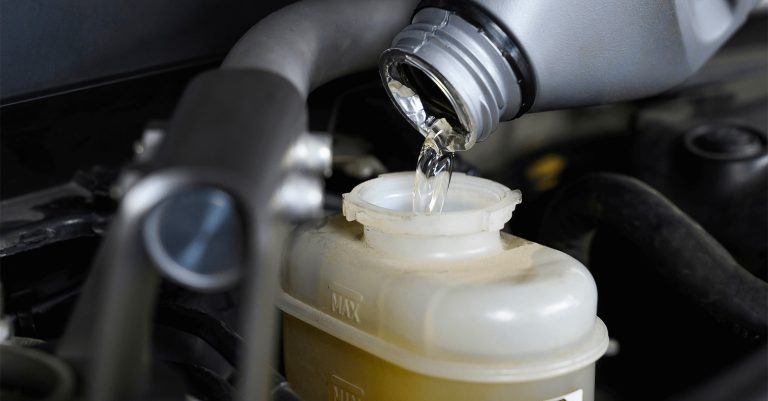
Antifreeze functions as a liquid which engineers add to vehicle cooling systems to maintain proper engine temperatures. The substance consists of ethylene glycol or propylene glycol which manufacturers combine with protective additives to create the final product.
The coolant inside your radiator loses its freezing point while gaining a higher boiling point when water enters the system. The engine components receive protection from extreme heat and extreme cold temperatures because of this temperature control mechanism.
Despite lack of freezing weather conditions, antifreeze products remain important to be available. The substance acts as a freeze prevention agent while providing multiple additional functions. It protects metal components from rusting while it provides lubrication for the water pump and maintains steady cooling operations.
Many drivers use the term coolant antifreeze interchangeably. The system operates with coolant which represents the complete mixture that moves through its components while antifreeze refers to the pure substance which requires dilution with water.
People need to understand how antifreeze functions in their vehicles because local driving conditions determine its importance
Why is Antifreeze Important in High Temperature Climate?
The persistent high temperatures throughout the year create ongoing problems for vehicle cooling systems.
The daily driving conditions include:
- The traffic situation in Kuala Lumpur and Petaling Jaya creates major roadblocks.
- Drivers must travel high-speed roads which connect different cities for extended distances.
- The atmosphere contains extreme moisture which creates high humidity levels.
- Drivers experience stop-and-go driving conditions which peak during rush hour times.
The engines in this scenario reach their maximum temperature limit because they need to operate continuously for extended time periods. The cooling system uses antifreeze to increase the boiling point of its liquid, which protects against engine overheating.
Fleet operators who handle delivery vans or ride-sharing vehicles achieve maximum efficiency when their engines maintain constant temperature. The regular coolant maintenance for used car owners particularly benefits those who own older vehicles by preventing expensive radiator and head gasket problems.
Antifreeze functions as a standard component for vehicle maintenance in regions with tropical climates. The primary advantage of antifreeze extends beyond its climate impacts because it continuously safeguards engine parts throughout all operating conditions.
How Antifreeze Protects Your Engine?
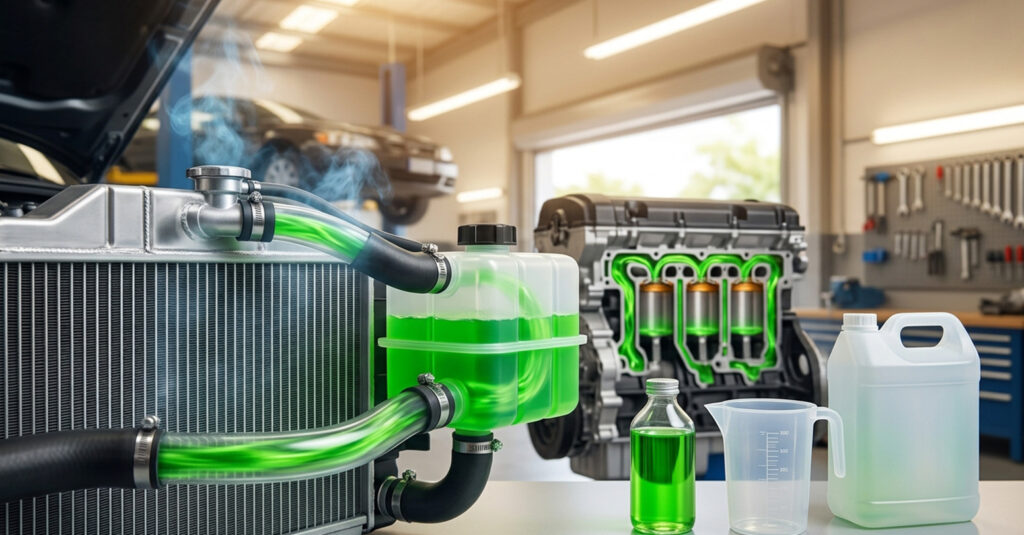
The primary antifreeze functions within the cooling system should be evaluated to determine its worth.
- Temperature Control
This alters the boiling point of water after it raises it as there is a lesser risk of boiling over, actually.
- Corrosion Prevention
Additives protect aluminum, iron, and steel components from rust.
- Lubrication
It lubricates the water pump and seals, reducing wear.
- Cavitation Protection
It reduces bubble formation that can damage engine parts.
The term antifreeze coolant describes the pre-mixed solution which drivers use as their operational system. The mixture moves through the radiator and engine block and heater core to eliminate extra heat from the system.
The radiator needs ongoing coolant maintenance because its absence permits corrosion to form which will block coolant distribution throughout the system. The problem occurs when drivers take short trips because their vehicles experience overheating issues.
The selection of antifreeze formulas needs to be done correctly because their performance affects both vehicle operation and product lifespan.
What are the Types of Antifreeze?
Before topping up your cooling system, it’s helpful to know the common types of antifreeze.
Inorganic Additive Technology (IAT)
- Traditional green coolant
- Common in older vehicles
- Shorter lifespan (around 2 years)
Organic Acid Technology (OAT)
- Often orange, red, or pink
- Longer service life (up to 5 years)
- Used in many modern vehicles
Hybrid Organic Acid Technology (HOAT)
- Blends features of IAT and OAT
- Balanced corrosion protection
- Common in Asian and European models
Note: Coolant colour is not standardised and may vary by brand. Always refer to product specifications rather than relying on colour alone.
Always check your owner’s manual before switching coolant types. Using the wrong formula may reduce protection or affect seals.
The selection of the correct coolant holds significant importance, yet ongoing maintenance practices determine the efficiency of your cooling system throughout its operational lifespan.
Maintenance Tips for Drivers
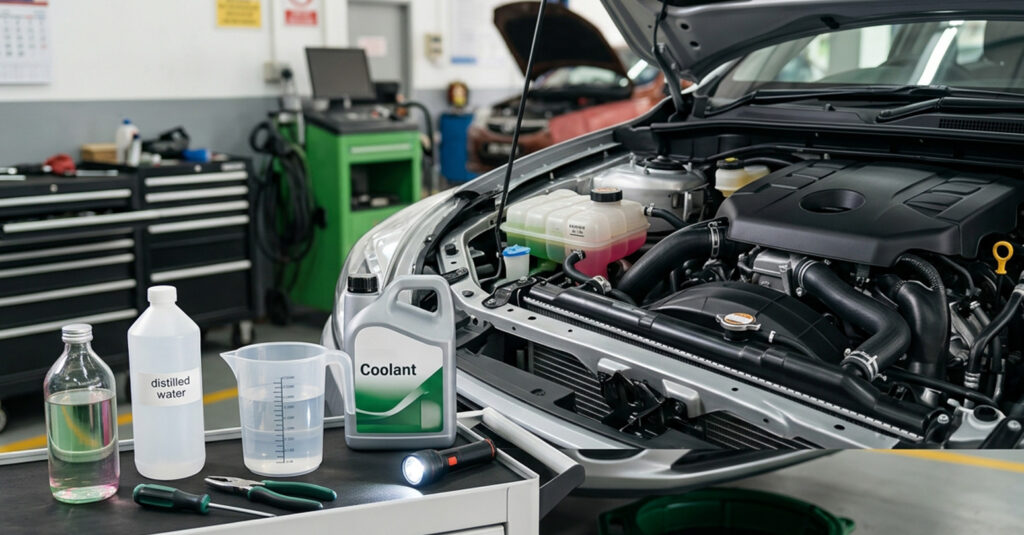
Proper coolant care is straightforward but often neglected.
Here’s what you should keep in mind:
- Inspect coolant levels monthly.
- Check for leaks under the car.
- Replace coolant every 2–5 years, depending on type.
- Flush the system when changing coolant types.
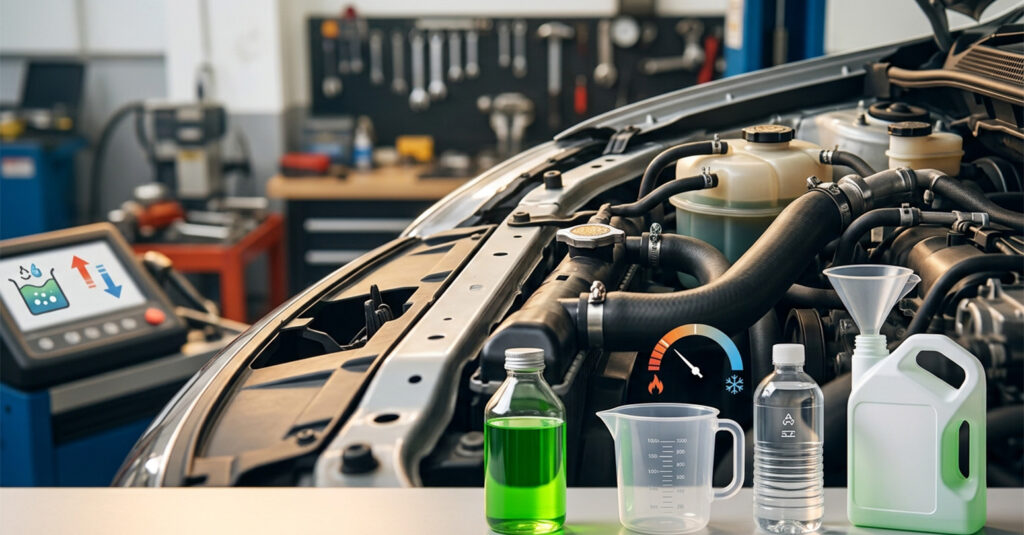
- Use distilled water when diluting concentrate.
DIY enthusiasts should follow the recommended mixing ratio, typically 50:50. This provides balanced temperature control and corrosion protection.
Never open the radiator cap when the engine is hot. High pressure can cause burns.
For older cars purchased in used market, consider a full cooling system inspection before long-distance travel.
The warm climate causes people to misunderstand antifreeze despite its important role.
What are the Common Misconceptions About Antifreeze?
Many drivers assume antifreeze is unnecessary in warm climates. That is incorrect. Its role includes corrosion protection and boiling point control, not just freeze prevention.
The belief exists that drinking water throughout the day provides sufficient hydration. The substance of water enables heat absorption but it does not contain corrosion protection mechanisms and its boiling point stands below that of other substances.
Some people think that they can achieve their needs by performing infrequent top-up procedures. The passage of time leads to the degradation of additives. The practice of coolant replacement according to scheduled maintenance times holds greater significance than the practice of intermittent coolant top-ups.
Drivers who care about the environment tend to inquire about the ecological safety of various products. The antifreeze formulas of today contain less harmful substances which include propylene glycol as their main component. The disposal process requires adherence to established procedures because coolant fluid poses a danger to both terrestrial organisms and aquatic ecosystems.
Conclusion
Engine cooling systems work hard in warm and humid environment. Antifreeze plays a central role in maintaining safe operating temperatures and preventing corrosion. The system protects internal parts while providing reliability to the engine which helps prevent overheating during both city driving and highway operation.
The combination of regular inspections and scheduled coolant changes serves as an effective method to avoid high-cost engine repairs. The proper maintenance of cooling systems enables used car drivers and fleet operators to achieve better vehicle performance and reduced breakdown incidents.
Protect your engine from overheating and corrosion with premium solutions from Estremo, proudly established in 2010.
Estremo develops high-performance lubricants built for heat, humidity, and heavy traffic conditions. Estremo’s range is built on proven results in markets, from high-performance engine oils to professional-grade car care fluids.
Contact Estremo, or call at +603 2116 5912 to give your vehicle the power and protection it deserves.
FAQs
Q1. What does antifreeze actually do in a hot country?
The antifreeze formula increases the coolant boiling point while it prevents system corrosion and provides necessary lubrication for cooling system parts. The formula enables protection against engine overheating in tropical weather conditions.
Q2. Can I use plain water instead of antifreeze?
Water alone does not provide corrosion protection and boils at a lower temperature. The product serves as an emergency solution which requires temporary use only.
Q3. How often should I replace antifreeze?
Most vehicles require replacement every 2 to 5 years, depending on coolant type. Your owner’s manual provides the information you need to determine replacement intervals.
Q4. Is antifreeze different from coolant?
The concentrated formula of antifreeze functions as its primary product. The engine coolant system uses a mixture of antifreeze and water which functions as coolant.
Q5. What happens if I ignore coolant maintenance?
Neglecting maintenance leads to multiple issues which include overheating, radiator corrosion, water pump failure, and engine damage.