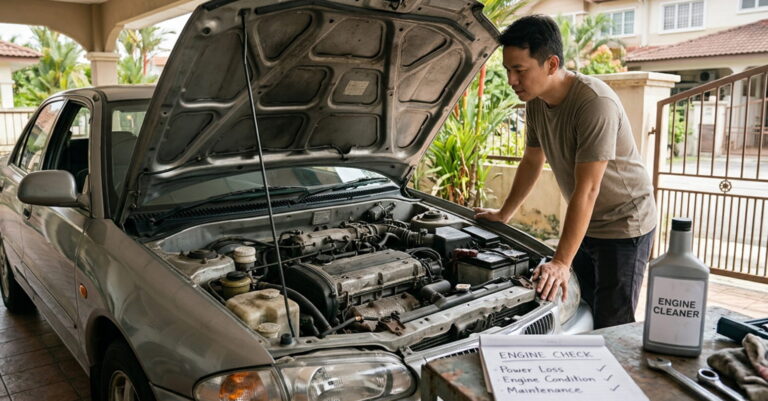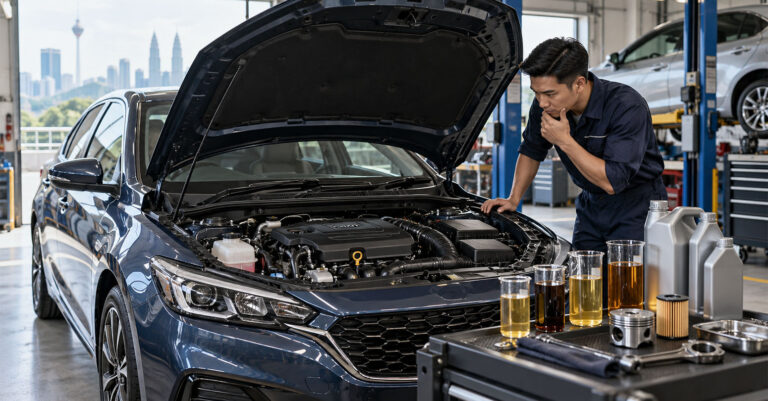
Key Takeaway
- A dirty or worn car injector changes how fuel enters the combustion chamber. This can directly increase fuel consumption without any obvious mechanical fault.
- A sign worth paying attention to is visiting the pump more than you used to, or finding your range has shortened on a route you know well.
- Both motorcycles and cars share the same root causes of higher fuel use: injector condition, air filter restrictions, driving habits, fuel quality, and tyre pressure.
- A fuel injector delivers fuel in a precise spray pattern. When that pattern breaks down, the engine uses more fuel to maintain the same output.
- Periodic use of a fuel system additive as part of routine maintenance can help sustain fuel efficiency without a workshop visit for every small issue.
Introduction
If your fuel costs have been creeping up but nothing about your route or driving style has changed, the explanation is not one single problem. Several small things can stack up quietly and produce the same result.
A slightly underinflated tyre, a car injector that is not spraying cleanly, fuel that is a grade below what your engine needs. None of these feel serious on their own. But when two or three of them are happening together, your range gets shorter. You end up at the pump more than you used to, with no clear reason why.
This article covers what is actually causing the fuel use to climb, and what you can do about it.
How a Car Injector Affects Fuel Consumption
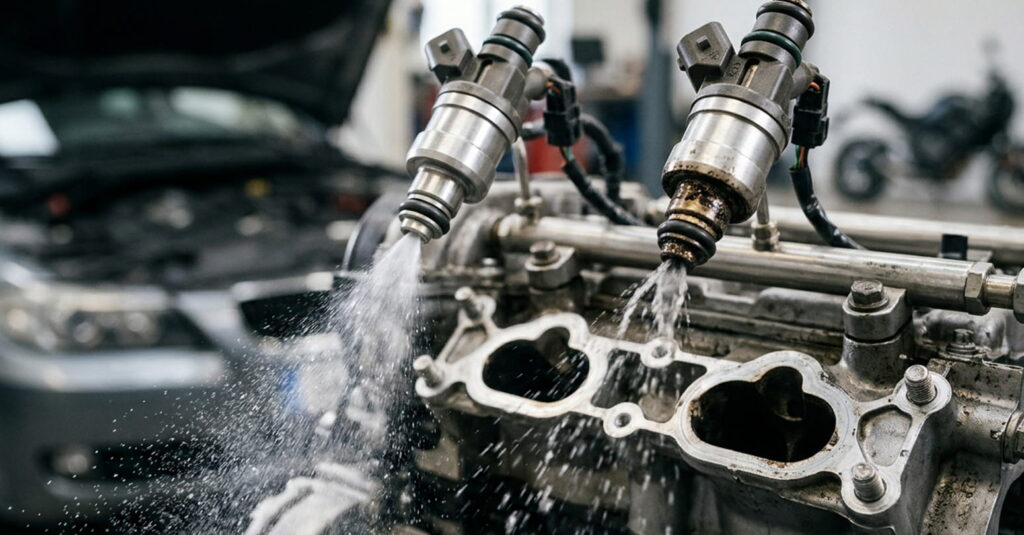
A car injector delivers fuel as a fine, precise spray at the exact moment the engine needs it. When that spray pattern is working properly, the fuel burns cleanly and completely. When it is not, the engine gets an uneven fuel charge, and combustion becomes less complete. You burn through more fuel to get the same output.
Two things cause this to happen. The first is deposit build-up. Residue from fuel accumulates on the injector nozzle over time and starts breaking up that spray into a coarser, uneven stream. This leads to incomplete combustion, higher fuel use, and sometimes a slight drop in throttle response.
The second is injector wear. An injector that no longer seals cleanly between injection events can drip a small amount of fuel into the cylinder when it should not. That wasted fuel also washes oil off the cylinder walls, which adds wear to the problem.
A car injector does not need to fail completely to affect your fuel consumption. A partial restriction of even 10 to 15 percent in flow capacity can shift combustion efficiency enough to show up at the pump.
Both cars and motorcycles use fuel injectors in the same fundamental way. A motorcycle with a dirty injector shows the same kind of consumption increase as a car. The scale differs, but the mechanism is the same.
Other Causes of High Fuel Consumption in Cars and Motorcycles
The injector is one piece of a bigger picture. Fuel consumption is shaped by several systems at once, and a dirty injector is not the only factor. Here are the main causes worth checking:
| Cause | How It Affects Fuel Use | Typical Fix |
| Dirty or clogged air filter | Reduces air into the engine, forcing a richer fuel mix | Replace or clean the filter |
| Low tyre pressure | Increases rolling resistance, requiring more engine effort | Inflate to recommended pressure |
| Degraded engine oil | Increases internal friction, raising fuel demand | Change oil at the correct interval |
| Aggressive driving habits | Rapid acceleration and high-speed cruising consume far more fuel | Smoother throttle, consistent speed |
| Poor quality fuel | Incomplete combustion, more deposits over time | Use the recommended grade consistently |
| Spark plug wear | Inefficient ignition leads to partially burned fuel charges | Replace at the manufacturer’s interval |
Any single one of these can raise your fuel use. When a few are happening at once, the drop in range can feel serious enough to make you wonder if something is wrong. Working through routine maintenance on each item is a more reliable path than trying to isolate a single fault.
Why Motorcycles Lose Fuel Range Faster Than Cars

On a motorcycle, any drop in range hits you straight away because the tank is smaller to begin with. A car that loses 15 percent of its fuel efficiency might go from 500 kilometres per tank down to 430. That is inconvenient, but not immediately obvious in day-to-day driving. The same loss on a motorcycle could cut 50 to 70 kilometres from your range, which changes your daily riding plans.
Motorcycles also run at higher revs during normal riding compared to a car cruising on a highway. That means the air filter, spark plugs, and car injector condition all have a bigger proportional effect on your consumption. A partially clogged car injector on a commuter bike builds up deposits faster than on a car covering the same distance at steadier speeds.
Engine oil condition also plays a role on motorcycles that use a wet clutch system. When engine oil degrades, internal friction rises. Sharing oil between the engine and gearbox means the engine works slightly harder as that oil breaks down. Keeping oil fresh at the recommended interval reduces that friction load. If you ride daily, the guide on choosing the right engine oil for commuter bikes covers what to look for at each service interval.
How Fuel Grade and Driving Style Increase Fuel Consumption
The fuel grade you use matters more than people realise. If your engine needs a higher-octane fuel and you are running a lower grade, combustion suffers, and the fuel system collects more residue. That residue settles on the injector over time, which is exactly what leads to the spray pattern issues covered earlier.
Driving and riding habits amplify everything else. Aggressive driving can lower fuel economy by 15 to 30 percent at highway speeds. In stop-and-go traffic, that figure rises to 10 to 40 percent. For motorcycles, where throttle inputs have a more direct effect, the impact can be even greater.
The combination creates a compounding problem. Poor fuel quality accelerates deposit formation on the fuel injector. Aggressive driving means those deposits build faster and the engine is already working harder. If you’re dealing with both, your fuel efficiency can drop considerably in a short time.
Fuel consumption is a result, not a cause. When it rises, the real question is what combination of maintenance gaps, habits, and conditions pushed it there.
Does Cleaning the Fuel System Help?
A fuel system additive dissolves the varnish and carbon deposits that build up on the car’s injector and inside the fuel lines during normal use. Once those deposits are cleared, the injector goes back to spraying the way it was designed to. The fuel burns more completely, and your consumption figures can start to come back down.
Estremo’s Nano Fuel Cleaner additive is added directly to the fuel tank before filling up. As the engine runs, the additive circulates through the fuel lines and injectors, breaking down deposits. For vehicles with high mileage or no prior treatment, the improvement in combustion consistency can show up within one or two tanks.
Pairing a fuel system clean with an oil change makes sense, because the two systems work together. Degraded oil increases internal friction, which raises fuel demand regardless of how clean the injectors are. Cleaning both at the same service interval addresses the problem from two directions.
The other thing worth knowing is that fuel system maintenance works better as prevention than as a rescue. Keeping deposits from building in the first place is easier than clearing a heavy build-up after your
consumption has already risen.
Does a Dirty Car Injector Always Cause Higher Fuel Consumption?
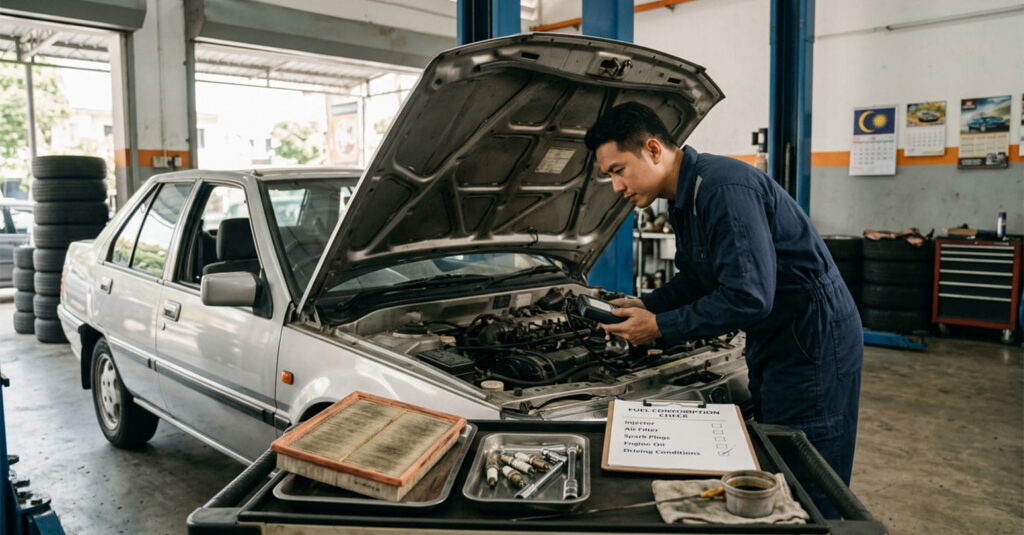
No, not in every case. A partially fouled injector can raise consumption gradually as combustion efficiency drops. The same symptom can also come from a restricted air filter, spark plug wear, degraded engine oil, or driving habit changes. A practical approach is to work through routine maintenance on all of these rather than chasing a single cause.
Frequently Asked Questions
1. How does a car injector affect fuel consumption on a motorcycle?
A car injector and a motorcycle fuel injector work on the same principle: they deliver a measured fuel spray at the right moment. When deposits restrict the spray pattern, combustion becomes less complete, and the engine uses more fuel per cycle. On a motorcycle, this shows up faster. The tank is smaller, so any drop in efficiency shortens the range more noticeably than on a car.
2. What is the fastest way to reduce unexpectedly high fuel consumption?
Check tyre pressure first and inflate to the recommended level. Then replace the air filter if it has not been changed recently, and use a quality fuel system additive at the next fill-up. These three steps address several key causes of increased fuel use. You can see a measurable improvement within a few hundred kilometres of normal driving or riding. For more on the fuel side, this guide on whether a fuel injector cleaner improves fuel economy breaks down when it makes a measurable difference.
3. Can engine performance decline before fuel consumption visibly increases?
Yes. Partial injector fouling can show up first as a slight drop in throttle responsiveness or a rougher idle on cold starts. Higher fuel consumption may only become obvious a few weeks or months later, once the efficiency loss has accumulated enough to affect tank range.
4. How often should a fuel system additive be used to maintain car injector health?
A general maintenance interval is every 5,000 kilometres for a fuel system additive. For vehicles used in stop-start city traffic, where short-trip conditions accelerate deposit formation, more frequent use can help keep consumption consistent between services.
5. Does low-quality fuel damage a car injector directly?
Lower-grade fuel leaves more residue in the fuel system during combustion. Over time, that residue builds up as varnish on the nozzle and within the fuel lines. It does not damage the injector straight away, but continued use of substandard fuel accelerates deposit formation. This is the main mechanism behind the gradual decline in engine performance and higher fuel consumption.
Unexpectedly high fuel consumption builds from several small maintenance gaps rather than one dramatic failure. A dirty car injector can be part of it. Low tyre pressure, a clogged air filter, degraded engine oil, and driving habits all contribute to the same outcome. Working through routine maintenance on each one is more reliable than trying to isolate a single cause. If your fuel system has not been serviced in a while, Estremo’s Nano Fuel Cleaner is a practical first step at your next fill-up. It helps keep injectors clean and combustion consistent as part of regular servicing.