Key Takeaways
- The engine flushing oil serves to remove sludge which accumulates in engines that have not received proper maintenance or are from older models. The product needs to be used before an oil change because it will eliminate varnish and carbon along with any thick buildup that standard oil removal methods would miss.
- The driving conditions create an environment which accelerates the process of sludge development in vehicles. The combination of heavy traffic conditions and prolonged engine idling and brief driving distances and high humidity levels results in progressive oil degradation.
- Oil flushing serves as a specific solution which requires special conditions for its application. The process requires specialists to determine which engines need the service because normal maintenance does not apply to all engines. The engine should first run at idle speed with the flush added before all engine fluids are drained and a new oil filter is installed and the engine receives fresh oil.
- The engine should first run at idle speed with the flush added before all engine fluids are drained, a new oil filter is installed and the engine receives fresh oil. The process of changing oil on a regular basis establishes the important method for maintaining an engine.
- Engine flushing oil provides temporary benefits to maintain cleaner engine parts in particular situations, but dependable engine performance needs ongoing maintenance work according to the established servicing schedule.
Introduction
Modern engines show high durability performance, but vehicles experience operational challenges from heavy traffic and humid weather conditions and prolonged idling periods. The engine will develop sludge problems because of continuous exposure to these environmental conditions.
Field research has shown that around 30% of cars over ten years old show signs of sludge formation because older high-mileage engines develop more sludge problems when engine oil undergoes aging and oxidation. Engine flushing oil exists to address this specific need.
The blog provides information about its function, proper application times, and the people who will gain advantages from its use. The article presents engine flush advantages and disadvantages with practical implementation instructions to help drivers decide about their vehicle needs in 2026.
What is an Engine Flush?
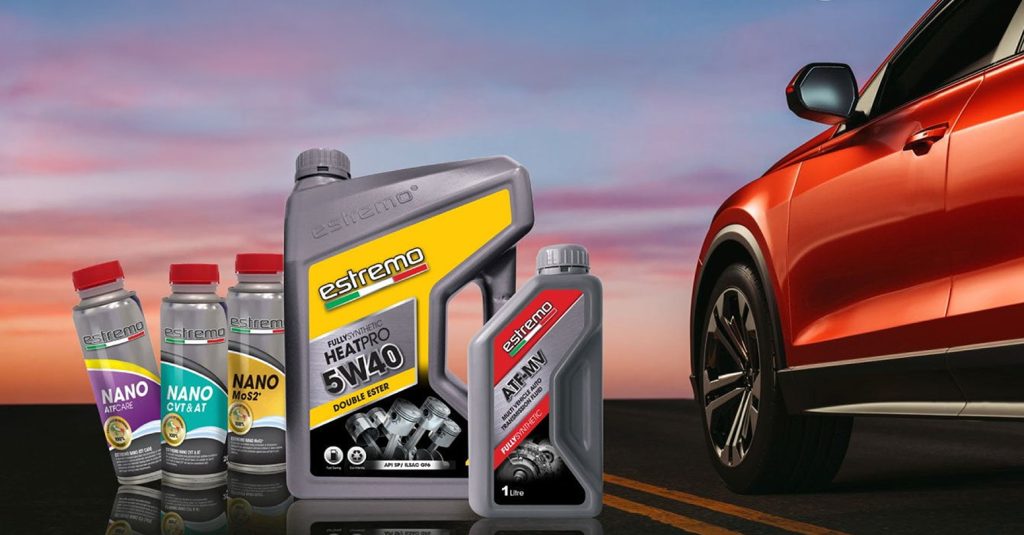
An engine flush is a chemical additive designed to clean internal engine components before an oil change. It helps dissolve sludge, varnish, and carbon deposits that accumulate over time.
Engine sludge forms when old oil breaks down due to heat and contamination. In stop-start city driving conditions, especially in places like Kuala Lumpur, Penang, and Johor Bahru, engines often run hot and idle longer, which can accelerate deposit formation.
Engine flushing oil is added to the old engine oil and allowed to circulate for a short period (usually 10–15 minutes). After that, the oil is drained along with the dissolved contaminants.
It’s not meant to replace regular servicing. Instead, it’s typically used before switching oil types, restoring older engines, or dealing with visible sludge issues.
Once the process is clear, the next step is looking at why sludge buildup is a growing issue for drivers.
Why Engine Sludge Is a Bigger Concern?
More drivers need to understand that weather conditions and their driving patterns have greater impact on their driving experience than they believe:
- High humidity conditions create an environment where engines develop moisture problems through excessive water accumulation.
- The engine oil needs to reach its optimal temperature which short trips to the engine prevent from achieving.
- City traffic congestion causes drivers to experience extended periods of engine running without movement.
- The strong resale market for older vehicles leads to their extended presence on roads because people want to buy them.
For used car buyers, especially those purchasing vehicles with incomplete service records, sludge risk increases. In such cases, flushing engine systems before a fresh oil change can help remove unknown buildup.
Fleet managers running delivery vans or transport vehicles also face extended operating hours. Over time, deposits restrict oil flow and reduce lubrication efficiency.
That’s why oil flushing is often considered when reviving older engines or preparing commercial vehicles for heavy use.
With sludge risks in mind, it helps to examine what happens mechanically during a flushing procedure.
How Engine Flush Works Inside Your Engine?
The process is simple but technical in function.
When engine flushing oil is added:
- The engine runs at idle for several minutes.
- The flushing formula circulates with the old oil.
- It loosens sludge, varnish, and carbon deposits.
- The old oil and dissolved debris are drained out.
- A new oil filter is installed.
- Fresh engine oil is added.
The cleaning agents help break down hardened deposits that regular oil may not fully remove.
However, it’s important to follow manufacturer guidelines. Overusing flush products or using them in severely neglected engines can dislodge large debris chunks, potentially clogging oil passages.
For DIY enthusiasts, always read product instructions carefully and use flush products only when needed, not at every oil change.
After reviewing how it functions, consider the practical advantages drivers may notice.
What are the Benefits of Using an Engine Flush?
When used correctly, engine flush treatments can provide measurable benefits:
- Cleaner Internal Components
Removes accumulated sludge and varnish.
- Better Oil Circulation
Improves flow by clearing blocked passages.
- Smoother Engine Operation
Some drivers report quieter engine performance after treatment.
- Extended Engine Life
Reduces wear caused by contaminated oil.
- Preparation for Oil Upgrade
Useful when switching from conventional to synthetic oil.
For budget-conscious consumers, preventive maintenance may cost far less than major engine repairs. Replacing a clogged oil pump or repairing worn bearings can be expensive.
Still, benefits depend heavily on the engine’s condition and service history.
Despite the potential upsides, flushing is not required at every service interval.
When Should You Consider Flushing Engine Systems?
Engine flush is not required at every oil change.
You might consider flushing engine components if:
- The vehicle has irregular service history.
- You notice thick sludge under the oil cap.
- Oil appears unusually dark and sticky.
- The car was recently purchased second-hand.
- The engine has been running on low-quality oil.
Mechanics often recommend inspection before applying any flush treatment. In well-maintained engines with consistent oil changes, deposits are usually minimal, making flushing unnecessary.
To avoid confusion, it’s helpful to place flushing side by side with routine oil servicing.
Engine Flush vs. Regular Oil Change
Here’s a simple comparison:
| Feature | Regular Oil Change | Engine Flush + Oil Change |
| Removes old oil | Yes | Yes |
| Dissolves sludge | Minimal | Yes |
| Required every service | Yes | No |
| Cost | Lower | Slightly higher |
| Best for | Routine maintenance | Sludge-heavy or older engines |
Routine servicing remains the foundation of engine health. Engine flush is an additional step used in specific situations.
As with any additive, questions about safety and long-term impact often a rise.
What are the Common Concerns About Engine Flush Products?
Some drivers worry about potential risks.
- “Can engine flush damage my engine?”
In heavily neglected engines, loosening thick sludge can sometimes clog oil passages. That’s why professional inspection matters.
- “Is it safe for high-mileage vehicles?”
It depends on condition. If seals and gaskets are already worn, cleaning deposits may reveal pre-existing leaks.
- “Does it improve fuel efficiency?”
Indirectly, cleaner oil flow may support smoother operation. However, fuel savings vary and should not be the primary reason for using engine flushing oil.
Eco-conscious drivers sometimes ask about emissions. Cleaner internal components may support better combustion efficiency, but results differ by vehicle.
The key takeaway: engine flush is a tool, not a miracle solution.
For those planning to handle maintenance personally, a few practical precautions can prevent costly mistakes.
Tips for DIY Drivers
If you plan to perform engine maintenance yourself:
- Always warm up the engine before adding flush.
- Never drive the car during the flushing process, idle only.
- Replace the oil filter after draining.
- Use reputable brands.
- Avoid overuse; once every 40,000–60,000 km is typically sufficient if needed.
For newer vehicles still under warranty, consult your service manual first.
Conclusion
Engine maintenance plays a major role in vehicle reliability, especially in demanding driving conditions. Engine flushing oil can be useful in specific situations, particularly for older cars, high-mileage vehicles, and uncertain service histories. It supports cleaner internal components and may improve oil circulation when used properly.
That said, regular oil changes remain the foundation of engine care. Engine flush treatments should be applied selectively and based on condition, not routine.
If you’re unsure about your vehicle’s needs, choose Estremo for advanced engine protection backed by 15+ years of expertise. Estremo Engine Oil is tested and proven across roads and race tracks.
From fully synthetic and semi-synthetic oils to additives and specialty lubricants, Estremo offers high-performance solutions tested across markets.
Contact Estremo, or call at +603 2116 5912 and give your engine the protection it deserves.

FAQs
Q1. Is engine flushing oil necessary for modern cars?
Not always. The need for engine flushing oil arises when engine components require replacement through regular oil maintenance. It’s used for older vehicles or those with poor service history.
Q2. How often should I use engine flushing oil?
The procedure requires signs only when sludge appears or when mechanics mandate it. The procedure does not apply to every standard engine maintenance work.
Q3. Can flushing engine deposits fix engine knocking?
No. The knocking problem connects to three main factors which include fuel quality problems and ignition timing issues and mechanical component degradation. The flush process removes sludge material, but it does not solve any mechanical problems.
Q4. Does oil flushing improve engine lifespan?
Sludge problems will block oil circulation so the solution works. Consistent servicing helps vehicles achieve their complete lifespan.
Q5. Is engine flush safe for diesel engines?
Most products support both petrol and diesel engines but, users should verify compatibility before application.