Key Takeaways
- The two types of brake fluid DOT 3 and DOT 4 differ mainly because their boiling points operate at different temperature levels. The superior temperature resistance of DOT 4 brake fluid enables its use in modern vehicles which require more intense braking than DOT 3 brake fluid can provide.
- The braking performance of brake fluid gets affected by the country’s humid weather conditions and its traffic patterns. The combination of frequent braking during traffic jams together with moisture absorption over time causes pedal softness because it lowers brake fluid boiling points.
- The two brake fluid types DOT 3 and DOT 4 share a glycol base which allows them to work together in most situations. The comparison between DOT 3 and DOT 4 brake fluids shows that DOT 4 functions as a suitable replacement for DOT 3 yet its performance will match the inferior standard when the two fluids get mixed together.
- The new version of DOT 5 does not serve as an improvement to the previous DOT 5 version.. The substance contains a silicone foundation which makes it different from both DOT 3 and DOT 4 brake fluids, so it gets used in passenger vehicles only on rare occasions.
- The regular replacement of brake fluids functions as a safety measure for braking systems. The brake system requires glycol-based brake fluid replacement every two years to preserve its steady pedal operation and reliable braking capacity.
Introduction
The car’s braking system depends on brake fluid for its entire stopping power. Yet many drivers overlook it until a warning light appears or the pedal feels soft. Brake calipers and drums experience temperature increases during hard braking which can exceed 200°C or even 300°C in certain areas.
The brake system becomes spongy because gas bubbles develop in the system when brake fluid reaches boiling point under high temperatures. This blog explains brake fluid DOT 3 vs DOT 4 vs DOT 5 in simple terms that show their practical differences.
You will discover how boiling points impact safety and which fluid type suits best and which fluid type you should select for your personal use or performance vehicles or your business fleet. The article brings you better understanding about brake fluid DOT 3 and DOT 4 when you conduct research on this topic.
Why Brake Fluid Specifications are Necessary?
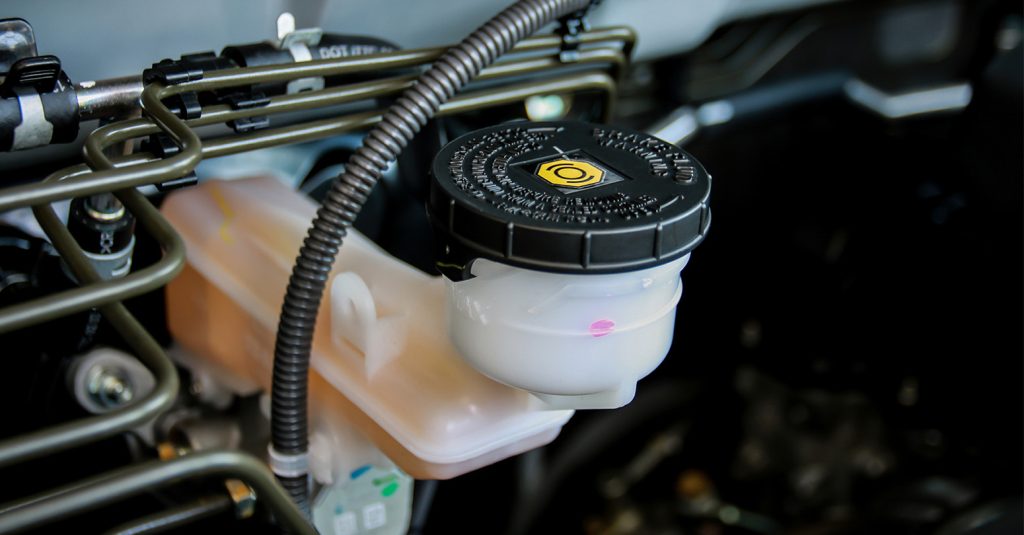
The brake system functions through hydraulic pressure which powers its operation. It activates when you press the pedal because brake fluid transmits force to both calipers and wheel cylinders. The system creates vapor bubbles during operation when the fluid reaches its boiling temperature after exceeding its normal heating limits.
The comparison between brake fluid DOT 3 and DOT 4 and DOT 5 begins from this point. The U.S. Department of Transportation (DOT) establishes the brake fluid performance requirements through its standards. The number mainly refers to boiling points and chemical composition. Higher boiling points provide better protection against high temperature conditions.
The combination of Kuala Lumpur’s heavy traffic conditions, Genting Highlands’ hilly terrain and long highway trips causes brake systems to experience increased thermal stress. The right fluid selection process establishes both safety requirements and reliable system operation.
The assessment of brake fluid DOT 3 vs DOT 4 vs DOT 5 performance standards requires evaluation of the complete advantages brought by each brake fluid type.
What are DOT 3, DOT 4, and DOT 5?
Before comparing brake fluid DOT 3 vs DOT 4 vs DOT 5 in detail, it helps to look at each type individually.
DOT 3
DOT 3 brake fluid is glycol-based and commonly used in older or economy vehicles. It has:
- Lower dry boiling point (around 205°C)
- Lower wet boiling point (around 140°C)
- Affordable pricing
- Wide availability
It absorbs moisture over time, which gradually reduces its boiling point.
DOT 4
DOT 4 is also glycol-based but contains borate esters that raise its boiling point.
- Higher dry boiling point (around 230°C)
- Higher wet boiling point (around 155°C)
- Better heat resistance
- Suitable for vehicles with ABS
Many modern cars sold recommend DOT 4 due to higher operating temperatures.
DOT 5
DOT 5 differs significantly. It is silicone-based.
- Very high boiling point
- Does not absorb moisture
- Not compatible with glycol-based fluids
- Typically used in classic or military vehicles
The recommendation for everyday passenger cars happens with low frequency.
The direct comparison of the two through individual analyses helps to find better the discrimination between their unique characters.
DOT 3 vs. DOT 4 vs. DOT 5
Here’s a simplified overview of DOT 5 vs DOT 3 vs DOT 4 brake fluid:
| Specification | DOT 3 | DOT 4 | DOT 5 |
| Base Type | Glycol-based | Glycol-based with borate additives | Silicone-based |
| Dry Boiling Point | ~205°C | ~230°C | ~260°C |
| Wet Boiling Point | ~140°C | ~155°C | ~180°C |
| Moisture Absorption | Yes (absorbs moisture over time) | Yes (slower absorption than DOT 3) | No (does not absorb water) |
| ABS Compatibility | Yes | Yes | Not recommended for most ABS systems |
| Paint Damage Risk | Can damage paint | Can damage paint | Less harmful to paint |
| Pedal Feel | Standard | Slightly firmer under heat | Can feel softer/spongier |
| Maintenance Interval | Typically 1–2 years | Typically 2 years | Longer lifespan but system-specific |
| Common Use | Older vehicles | Most modern passenger cars | Rare; specialty or classic cars |
When discussing brake fluid comparison, the boiling point difference is the main factor.
Specifications tell part of the story, but local weather and driving habits also influence fluid selection.
Brake Fluid Choice in Humid Climate
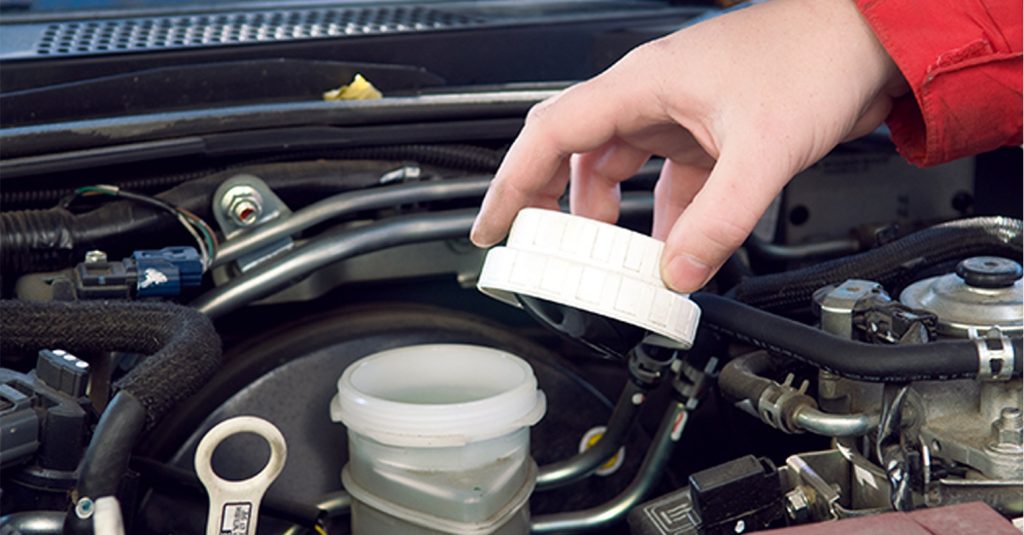
The brake systems experience their most severe problems because of humidity which most drivers do not understand. Airborne moisture gets absorbed by glycol-based fluids. The boiling point decreases through the passage of time.
Coastal cities such as Penang and Johor Bahru experience greater moisture exposure than other locations. That makes regular replacement important.
For daily commuters:
- DOT 3 may be sufficient for older compact cars.
- DOT 4 suits newer vehicles and heavier SUVs.
- Performance cars use DOT 4 and DOT 5.1 brake systems because these fluids can handle their higher brake temperature requirements.
Drivers prefer DOT 4 when comparing brakes because it provides better heat protection during their traffic jam situations.
The correct brake fluid grade selection starts the process which requires regular maintenance to maintain braking system performance throughout its entire lifespan.
Servicing Tips for Car Owners
Choosing the right fluid is only part of maintenance. Proper servicing matters just as much.
The following practical guidelines should be followed:
- You must always comply with vehicle manufacturer specifications.
- Mixing DOT 5 with DOT 3 or DOT 4 should always be avoided.
- Glycol-based brake fluid requires replacement every 2 years.
- Moisture buildup will cause a soft brake pedal which needs to be checked.
- System operators need to conduct complete system flushes when they change from one fluid type to another.
Most systems can use DOT 4 as a substitute for DOT 3 while manufacturers who require DOT 4 should not use DOT 3 as a replacement.
Standard fluid grades should be established by fleet managers for their delivery vans which they use to maintain their vehicles.
Even with clear comparisons, confusion around brake fluid remains common among drivers.
What are the Common Questions and Misconceptions?
Some of the common myths for brake fluid DOT 3 vs DOT 4 vs DOT 5 are as follows:
- “Higher number means better fluid, right?”
Not always. Your vehicle requires specific fluid selection based on its design specifications. Systems which operate on DOT 3 can function properly with DOT 4 brake fluid however DOT 5 fluid will lead to seal damage.
- “Can I mix DOT 3 and DOT 4?”
The two substances share glycol as their base yet their technical compatibility becomes limited because their combination produces performance results which match only the inferior standard. When evaluating brake fluids, consistency matters more than blending.
- “Does brake fluid affect fuel efficiency?”
Indirectly, no. It mainly affects braking safety, not engine performance.
- “Is DOT 5 better because it doesn’t absorb moisture?”
DOT 5 resists moisture absorption but can trap water in pockets within the system. This makes it less suitable for most daily-use cars.
Conclusion
The brake fluid system of a vehicle is critical for its safe operation although people often overlook this aspect in comparison to engine oil. The brake fluid DOT 3 vs DOT 4 vs DOT 5 evaluates boiling point, vehicle design and driving conditions. The DOT 3 specification provides appropriate braking performance for older vehicles which require basic braking needs, whereas DOT 4 enables braking systems to operate at advanced temperature limits and supports contemporary vehicle braking technology. DOT 5 serves specialised applications.
Regular inspection and timely replacement matter more than chasing higher specifications. When brake temperatures can exceed 200°C–300°C, your vehicle deserves fluids built for serious heat. Choose Estremo before changing fluid types for your vehicle.
The R&D work together with the product testing process has been executed by experts who possess advanced technical skills which they have developed throughout their extensive careers.
Contact Estremo today, or call at +603 2116 5912 to discover performance you can feel on every drive.
FAQs
Q1. Can I upgrade from DOT 3 to DOT 4?
You can upgrade from DOT 3 to DOT 4 in most situations because both brake fluids use glycol as their base. The system needs to undergo proper flushing before drivers can use DOT 4 as a replacement for DOT 3 because both fluids share glycol as their common base.
Q2. Is DOT 5 suitable for daily driving?
The answer is no because DOT 5 uses silicone as its base which makes it unsuitable for regular driving.
Q3. How often should I replace brake fluid?
The recommended interval for brake fluid replacement is every two years because glycol-based fluids tend to absorb moisture from the humid environment.
Q4. Does brake fluid type affect ABS performance?
Yes. The type of brake fluid used in a vehicle directly impacts the performance of its ABS system. The answer is yes because modern ABS systems need DOT 4 brake fluid to handle their higher operating temperatures.